Anxiety, depression, obsessive-compulsive disorder (OCD), and other mental health disorders affect all people—even the ones we idolize. In an effort to bring awareness and promote acceptance, see what these stars have to say about their own struggles with mental health.
In fact, when public figures open up about their own mental health struggles, it can help break down stigma, spark important discussions, and even inspire people to seek treatment.
Karamo Brown
The Queer Eye star told Instagram followersOpens a New Window. in August 2018 that he had attempted suicide 12 years prior. “You know, I was in a very dark place,” he said. “I just felt like life could not get any better, everything that was happening to me was never going to change, and I tried to take my own life … I want you all to know that as you see me on Queer Eye helping people with their mental health, it’s because it’s important to me … because I know so many of us suffer from mental health issues, and we just don’t know where to turn.”
Stephen Colbert
The late-night comedian revealed his struggles with anxiety in an August 2018 interview with Rolling StoneOpens a New Window., saying that performing eases his mind now just as it did decades ago when he was performing improv with Second City. “Creating something is what helped me from just spinning apart like an unweighted flywheel,” he said. “And I haven’t stopped since. Even when I was a writer, I always had to be in front of a camera a little bit. I have to perform.”
Janet Jackson
In June 2018, the “Rhythm Nation” singer wrote in an Essence essay that she has grappled with depression in her life. “When it comes to happiness, I’m no expert,” she said. “I have only my life experience as a guide. I’ve known great happiness and great sadness.”
David Harbour
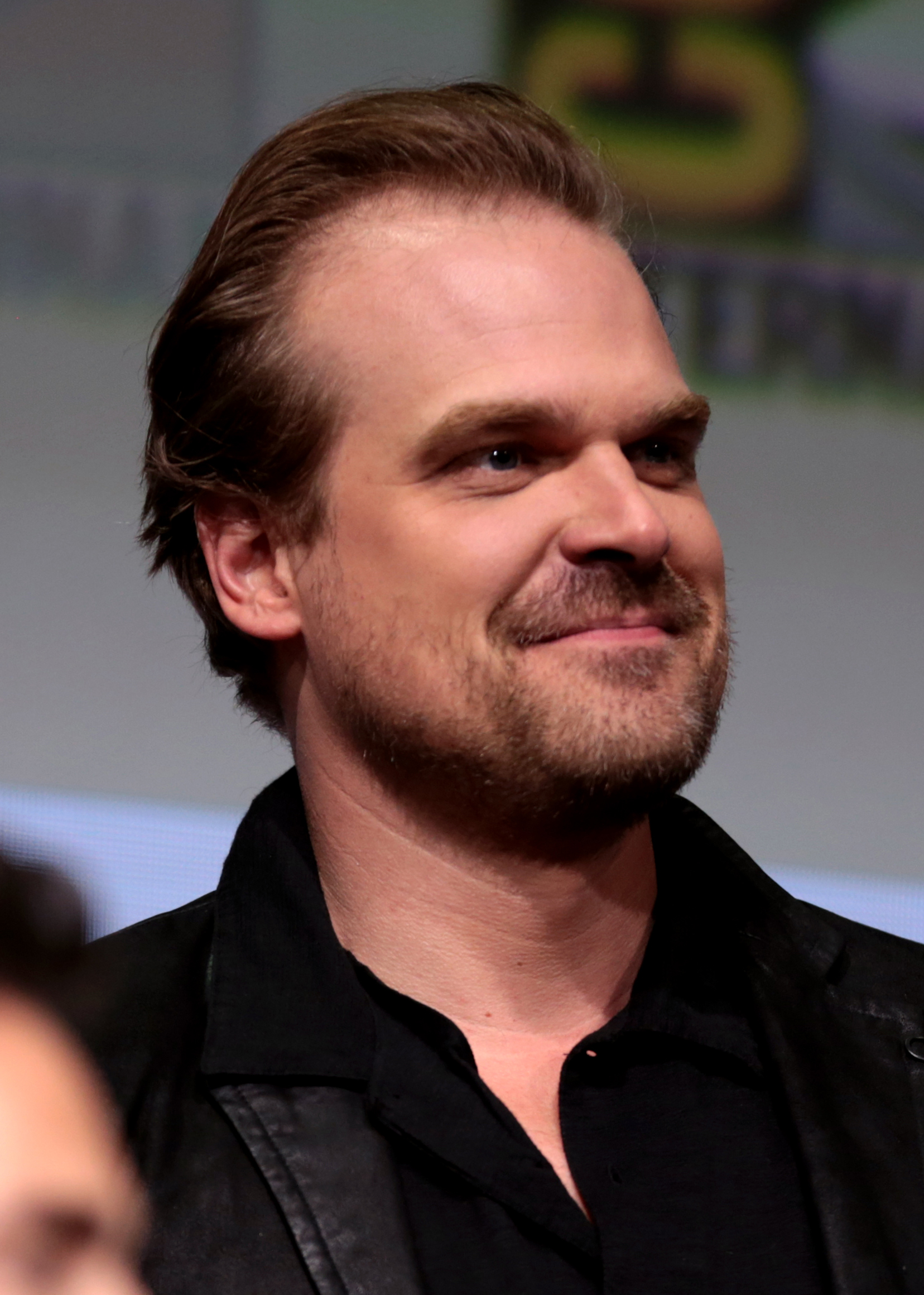
In a June 2018 interview on Marc Maron’s “WTF” podcast, the Stranger Things star revealed he was hospitalized in a “mental asylum” after being diagnosed with bipolar disorder at age 25. He also discussed his own brand of self-care: “Generally, people are like, ‘I need to meditate more’ or ‘I need to get into yoga.’ And I need to, like, eat a cheeseburger and just, like, smoke cigarettes and hang out. So if I write the self-help book, it’s going to be like, ‘Sit on the couch and play some video games.
Jim Carrey/arc-anglerfish-tgam-prod-tgam.s3.amazonaws.com/public/J327FU3TYFCFVIM37CZIRPOUDA.JPG)
The Eternal Sunshine of the Spotless Mind actor has said he took Prozac “for a long time” while battling depression. “It may have helped me out of a jam for a little bit, but people stay on it forever. I had to get off at a certain point because I realized that, you know, everything’s just okay,” he told CBS News in 2009. “There are peaks, there are valleys. But they’re all kind of carved and smoothed out, and it feels like a low level of despair you live in.”
Emma Thompson
The Oscar-winning Brit has admitted to suffering bouts of clinical depression at various times throughout her life. In 2010, she announced that she was taking a sabbatical to focus on her own well-being. “I find the job I do emotionally very demanding,” she said in a statement. “I suffer from occasional mild depression, which I think is a very common thing.
Zach Braff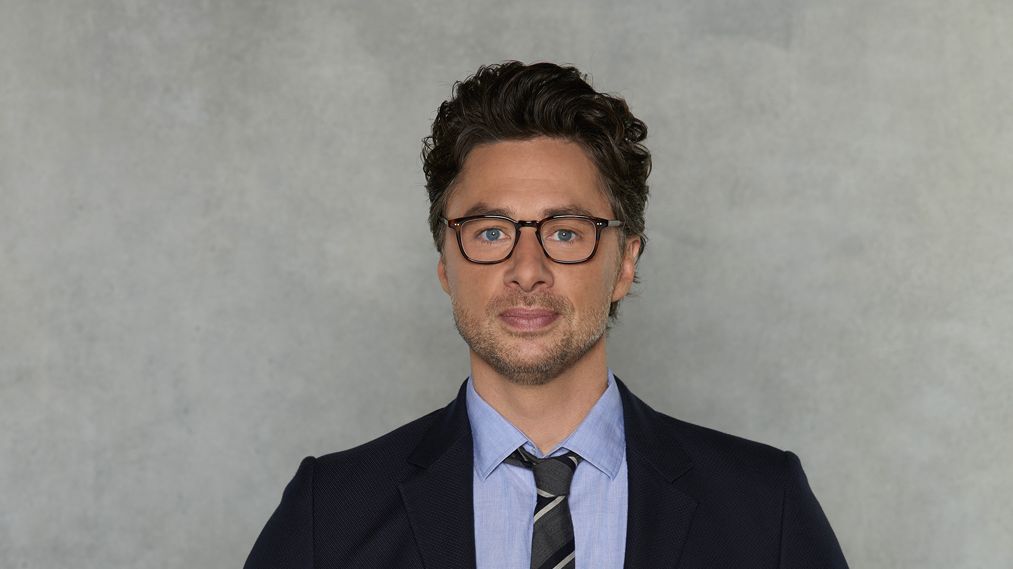
The Scrubs star told Parade magazine in 2007 that he felt a kinship to his somewhat melancholy character in Garden State (which he wrote and directed). “I think I suffer from some mild depression,” he explained. “So to have millions of people go, ‘I watched your movie and related,’ was the ultimate affirmation that I’m not a freak.
Rene Russo
The Outbreak star revealed on The Queen Latifah Show in October 2014 that she has bipolar disorder and takes medication for the condition. “For all the people that are having trouble and maybe feel bad about taking medication… it’s okay — you will make it through,” she said. “It’s not easy but you will make it through.”
Tyler Baltierra
After revealing his bipolar diagnosis in April 2018, the Teen Mom OG star described his experience with the disorder in a July 2018 Snapchat. “Bi-Polar is like dancing on the edge of a cliff,” he wrote.
“The good moods are full of endless euphoric adrenaline, but the bad moods cause a reclusive crash with an abusive rift when there’s just too much emotions to go through & sift, which makes you trip down a long hard fall when you slip after you lose that grip once that adrenaline filled dance inevitably makes you tip.”
Sarah Hyland
The Modern Family actress revealed in December 2018 that she had suicidal thoughts after she underwent two kidney transplants amid her battle with kidney dysplasia.
“I would write letters in my head to loved ones of why I did it and my reasoning behind it, how it was nobody’s fault. I didn’t want to write it down on paper because I didn’t want anybody to find it. That’s how serious I was,” Hyland told Ellen DeGeneres in January 2019 about contemplating suicide. “I was very, very, very close.”
Chrissy Teigen
Chrissy Teigen-postpartum depression
The model and “Lip Sync Battle” co-host opened up about the myriad ways PPD took a toll on her mental and physical health.
“I also just didn’t think it could happen to me. I have a great life. I have all the help I could need: John, my mother (who lives with us), a nanny. But postpartum does not discriminate,
“I couldn’t control it. And that’s part of the reason it took me so long to speak up: I felt selfish, icky, and weird saying aloud that I’m struggling. Sometimes I still do.”
“I’m speaking up now because I want people to know it can happen to anybody and I don’t want people who have it to feel embarrassed or to feel alone.”

Beyoncé
“My mother was very persistent and she kept saying that I had to take care of my mental health.”
“It was beginning to get fuzzy―I couldn’t even tell which day or which city I was at.
I would sit there at ceremonies and they would give me an award and I was just thinking about the next performance,
Prince Harry 
Harry “shut down all his emotions” for almost two decades after the death of his mother, Princess Diana. It wasn’t until he was 28 years old — during a period of time when he felt “very close to a complete breakdown” and faced anxiety during royal engagements — that he began to see a professional to address his grief. Now 33 and “in a good place,” Harry has encouraged others to open up about their own struggles. In 2016, he started the Heads Together campaign with Prince William and his sister in law Kate Middleton to help “end the stigma around mental health issues.”
“The experience that I have is that once you start talking about it, you suddenly realize that actually, you’re part of quite a big club,
“I’ve spent most of my life saying
‘I’m fine, can safely say that losing my mum at the age of 12 and therefore shutting down all of my emotions for the last 20 years has had a quite serious effect on not only my personal life but also my work as well…I have probably been very close to a complete breakdown on numerous occasions.”
DwayneJohnson
“I didn’t know what it was,”
“I didn’t know why I didn’t want to do anything. I had never experienced anything like that.”
Johnson later shared what helped him cope. “I found that, with depression, one of the most important things you could realize is that you’re not alone,”
“You’re not the first to go through it. You’re not going to be the last to go through it … I wish I had someone at that time who could just pull me aside and [say], ‘Hey, it’s gonna be OK. It’ll be OK.'”
 Demi Lovato
Demi Lovato-bipolar disorder
During that time, Lovato learned coping skills and adopted ways to control and understand her emotions. “For the first time in my life, I started to feel,” she said. Currently, Lovato is the celebrity spokesperson for Be Vocal: Speak Up for Mental Health campaign.
Demi has produced a documentary about mental health called “Beyond Silence,” released a documentary about her own struggles, shared powerful side-by-side photos of her recovery from bulimia, and entered rehab to address her substance abuse issues.
“It’s very important we create conversations, we take away the stigma, and that we stand up for ourselves if we’re dealing with the symptoms of a mental illness,”
The singer, now five years sober, continued: “It is possible to live well and thrive with a mental illness.”
After her management team had expressed their intentions to leave her, Lovato agreed to resume treatment and counseling for her addictions, leading to her move to a sober-living facility in Los Angeles with roommates and responsibilities to help her overcome her drug and alcohol problems.
On June 21, 2018, Lovato released “Sober” in which she revealed she had relapsed after six years of sobriety.
On July 24, 2018, she was rushed to the Cedars-Sinai Medical Center in Los Angeles after emergency services were called to her home due to an opioid overdose. She was reported to be stable and recovering later in the day. Lovato was reported to have overdosed on oxycodone laced with fentanyl and was revived with naloxone. She was hospitalized for two weeks and subsequently entered an in-patient rehab facility. In December 2018, Lovato took to Twitter to dismiss rumors about her overdose and went on to thank her fans, writing: “If I feel like the world needs to know something, I will tell them MYSELF. All my fans need to know is I’m working hard on myself, I’m happy and clean and I’m SO grateful for their support.”She went on to add that someday she’ll “tell the world what exactly happened, why it happened and what my life is like today.. but until I’m ready to share that with people please stop prying and making up shit that you know nothing about. I still need space and time to heal.
“I felt this inertia that would come over me,” she told Mashable.
“You think of something and it just seems too much, too hard. That’s how it manifested in me.

“I used to struggle with anxiety pretty bad,” she wrote in a post on her app.
It only happened when I sang live, not when I danced or did any other live performances, and it stemmed from a bad experience I had while singing on ‘The Ellen DeGeneres Show’ in 2013.
It wasn’t my best performance and I’ve never let myself live that down. I had mad anxiety ever since that.”

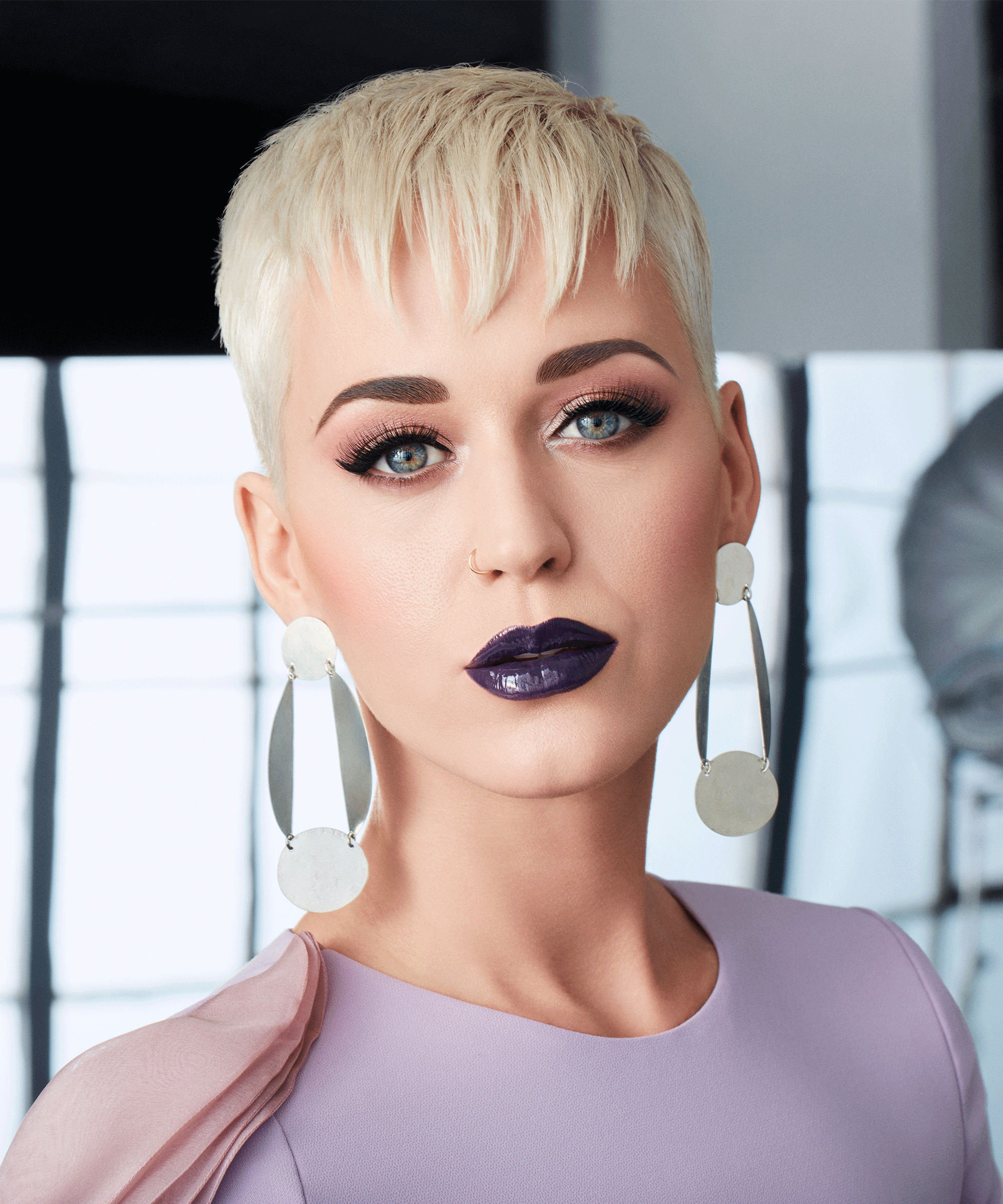
 Chris Evans,
Chris Evans revealed how his anxiety often kicks in during premieres, equating red carpet events to “30 minutes of walking on hot coals.” Evans, who has tried everything from meditating to reading Buddhist texts to calm his mind, said he’s “gotten better” but still has moments of self-doubt when he overanalyzes things.
“I don’t knock L.A.,” the actor told Rolling Stone in 2016.
“But L.A. is where I come to work, where I have meetings and, unfortunately, where I feel moments of anxiety.
Sometimes L.A. is great. And sometimes you just drive down Sunset like, ‘Ugh. Fuckin’ Hollywood.'”
 Lisa Nicole Carson
The actress shot to fame in the ’90s for her roles in hit TV shows “Ally McBeal” and “ER.” But after she was diagnosed in the early ’00s, Carson decided to take a break from Hollywood to focus on her mental health.
“I see a psychiatrist and a psychologist regularly and now just take anti-anxiety medication,”
“I’m tackling the myth that African-American women have to be pillars of strength. We have the right to fall. We have the right not to always have our s— together.”
“Sometimes I panic to the point where I don’t know what I’m thinking or doing,” the 50 Shades actress told AnOther in 2015.
“I have a full anxiety attack. I have them all the time anyway, but with auditioning it’s bad.”
Ryan Reynolds
Not only did Lively convince Reynolds to take his “dream role” in “Deadpool,” she also kept him grounded while he filmed the movie.
Ryan revealed how his anxiety over disappointing fans led him to “stay up late with the script” and lose sleep. “[Lively] helped me through that,” Reynolds said. “I’m lucky to have her around.
“By the time we were in post [production], we’d been to Comic-Con, and people went crazy for it. The expectations were eating me alive.”
Cara Delevingne
Cara said that she used to feel guilty for being depressed. But after she realized she wasn’t alone — that “everyone goes through similar things” — she began to recover.
Kendrick Lamar
“If you learn to love yourself and not give in to what other people think about you or not care what they think, and just follow your dreams, you can achieve anything” Delevingne said. “And that’s what I want to be for teenagers — not necessarily a role model, but someone who has gone through it and come out the other side.”
That year, the Grammy Award-winning artist revealed his struggles with depression and suicidal thoughts in his album, “To Pimp a Butterfly.” On the emotional track “u,” for example, Kendrick raps about the survivor’s guilt he feels for leaving his hometown of Compton, California, where many of his friends and family still remain.
“Three of my homeboys [one] summer was murdered,” Kendrick told MTV in an interview about the album.
He continued: “You living this life, you know what I’m saying, but you still have to face realities of this … I gotta get back off that tour bus and go to these funerals.”
Gina Rodriguez
In the clip, Rodriguez can be seen in casual clothes, not wearing any makeup. “It’s always great to be in front of his lens but this time it was just me,” the actress wrote in the caption. “Bare and exposed in the streets of LA.”
“I suffer from anxiety,” Rodriguez said. She continued: “And watching this clip I could see how anxious I was but I empathize with myself.
I wanted to protect her and tell her it’s OK to be anxious, there is nothing different or strange about having anxiety and I will prevail. I like watching this video. It makes me uncomfortable but there is a freedom I feel, maybe even an acceptance. This is me. Puro Gina.”
Lili Reinhart
“‘Riverdale’ came into my life when I was going through the worst depression I had ever experienced,” the actress wrote. “And in the end it completely saved me.”
The 21-year-old star, who called mental health “a priority,” continued with a positive message for her followers: “To anyone out there who feels depressed or hopeless … do not f—— give up on yourself. You’re all you’ve got. And you deserve the world … You will get through whatever you’re going through now. And you’ll be so much stronger at the end of it. You’re stronger than you know.”
Gabourey Sidibe
She reveals how she struggled with depression in college and eventually developed bulimia. After experiencing suicidal thoughts, the Oscar nominee turned to a professional for help.
“I just accepted depression as something that’s part of my anatomy,” “It’s part of my chemistry, it’s part of my biology.” She continued: “When it’s too big for me to just turn around on my own, I see a therapist.”



Emma Stone
“I was a very, very, very anxious child, and I had a lot of panic attacks,” Stone said on “The Late Show with Stephen Colbert” in September.
The actress also shared a photo of a “little green monster” she had drawn to represent her anxiety when she was 9 years old.
“If I listen to [the monster] enough, it crushes me,” the Oscar winner explained to Rolling Stone in 2016.
“But if I turn my head and keep doing what I’m doing — let it speak to me, but don’t give it the credit it needs — then it shrinks down and fades away.”
The “La La Land” star credits therapy, acting, and improv for helping her cope with anxiety. “You have to be present in improv, and that’s the antithesis of anxiety,” she told Rolling Stone.

“I have a very addictive personality,” the actor told Out Magazine.
After he “got over certain addictions” as a teenager, Franco threw himself into acting when he was 17. But ten years later, the actor realized he was depressed. “On the surface, my life [seemed] pretty good,” Franco recalled. “But I [felt] isolated and lonely.”

“The holiday season is supposed to be the most festive and fun time of the year but sometimes it can quickly become a stressful and emotional time …
This is especially true for those of us who struggle with mental illness,” the singer wrote. Kesha, who entered rehab for an eating disorder in 2014, also urged readers to take a break from “trying to … [please] everyone else” and be kind to themselves.

In an interview with InStyle, the “Mad Men” actor talked about the importance of asking for help when you need it: “Medical attention is medical attention whether it’s for your elbow or for your teeth or for your brain.
We live in a world where to admit anything negative about yourself is seen as a weakness when it’s actually a strength. It’s not a weak move to say, ‘I need help.’ In the long run, it’s way better, because you have to fix it.”
Hamm, who completed a 30-day program for alcohol abuse in 2015, has also talked about the benefits of therapy and antidepressants in his battle with chronic depression.

In a heartfelt message to his fans, the rapper revealed that he had checked himself into rehab for “depression and suicidal urges.”
“I’m tired of being held back in my life,” the rapper wrote. “I deserve to have peace. I deserve to be happy and smiling.”
Kid Cudi’s honest post was met with widespread support.
It also spawned a hashtag on Twitter, #YouGoodMan, for black men to open up about their experiences with mental illness and for people to discuss the intersection of race, masculinity, and mental health.


In an essay for Motto, the actress slammed the stereotype that people who suffer from mental illnesses are weak.
“Anxiety and depression are impervious to accolades or achievements,” Bell wrote. “Anyone can be affected, despite their level of success or their place on the food chain.”
Bell also emphasized the importance of “mental health check-ins” and awareness: “It’s important for me to be candid about this so people in a similar situation can realize that they are not worthless and that they do have something to offer. We all do.”

. Lady Gaga-PTSD
“The kindness that’s shown to me by doctors as well as my family, and my friends, it’s really saved my life,” she later said on the “Today” show.
The Grammy Award-winning singer, who previously revealed in 2014 that she was raped at the age of 19, also penned an open letter about her PTSD for her nonprofit organization, the Born This Way Foundation.
“There is a lot of shame attached to mental illness, but it’s important that you know that there is hope and a chance for recovery,” she wrote.
“My own trauma in my life has helped me to understand the trauma of others,” she says.

“I started having panic attacks, and the scariest part was it could be triggered by anything. I used to cover my face with a pillow whenever I had to walk outside from the car to the studio,” she wrote in an essay for Well+Good. “My new life as a pop star certainly wasn’t as glamorous as all my friends from home thought. Secretly, I was really struggling physically and emotionally.”

Zayn Malik
In his autobiography, “Zayn,” Malik details how the pressures of performing and touring with One Direction led him to restrict his food intake to an unhealthy extreme:
“I’d just go for days — sometimes two or three days straight — without eating anything at all.”
While his eating disorder and anxiety have diminished since leaving One Direction, the singer continues to speak candidly about his mental health. “We’re all human,” Malik told The Sunday Times in March.
“People are often afraid to admit difficulties, but I don’t believe that there should be a struggle with anything that’s the truth.”
“I found it really frustrating that, even now that I was being upfront about what the issue was, some people still found reasons to doubt it. But that’s the industry. It’s an aspect of this job that I have to deal with, and I’m trying to accept it,” Zayn wrote in an excerpt of his book that was published by Time.
“The thing is, I love performing. I love the buzz. I don’t want to do any other job. That’s why my anxiety is so upsetting and difficult to explain.
It’s this thing that swells up and blocks out your rational thought processes. Even when you know you want to do something, know that it will be good for you, that you’ll enjoy it when you’re doing it, the anxiety is telling you a different story. It’s a constant battle within yourself.”


“Women are so resilient and that’s the incredible thing about them … I think I’m a better mom for it because you never take that connection for granted,” the actress said on “Good Morning America.”
The actress, whose “Nashville” character Juliette Barnes also struggled with PPD in season four, said her role helped her identify “what was going on” and shared a “great message” that it’s OK for women to “ask for help and have a moment of weakness.” “It doesn’t make you a bad person or a bad mother,” she continued.


In an interview with Shape, the “Pitch Perfect 3” star said she had to learn how to embrace her natural body shape and overcome society’s unrealistic body standards.
“I wanted to be like the girls I saw in fitness magazines so badly. I thought that was the ideal of happiness,” the actress said. “I wish someone had told me back then that the way a woman looks in a photo has nothing to do with who she is.”
Snow, who was bullied in high school, also partnered with The Jed Foundation and MTV in 2010 to launch the Love is Louder project, which is dedicated to amplifying supportive messages and actions in the face of “negative noise.”
Adele-postpartum depression
This Grammy award-winning artist opened up to Vanity Fair last year about her battles with postpartum depression following the birth of her son. “I had really bad postpartum depression after I had my son, and it frightened me,” she says. She admits she didn’t take any medication for it, she also didn’t talk to anyone about it. “I was very reluctant,” she said
I can slip in and out of [depression] quite easily,” Adele told Vanity Fair.
“I had really bad postpartum depression after I had my son, and it frightened me,” she said.
“I didn’t talk to anyone about it. I was very reluctant…Four of my friends felt the same way I did, and everyone was too embarrassed to talk about it.”
Michael Phelps-ADHD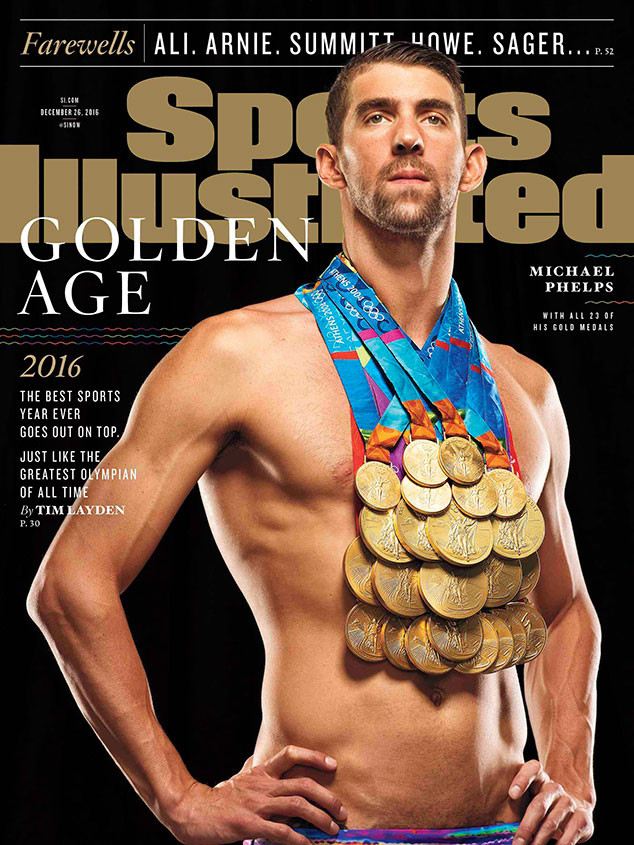
Michael Phelps is an American swimmer, who has won a record-breaking 19 Olympic medals during his swimming career.
He also lives with attention-deficit-hyperactivity-disorder. “For Phelps, a gangly, hyperactive child who was diagnosed with the condition aged nine, the swimming pool was a sanctuary, a place to burn off excess energy,”
. “The concept of role models can seem an overused cliche but the Olympians with ADHD may really inspire a generation of athletes who once would have been written off.”
Leonardo DiCaprio-obsessive-compulsive disorder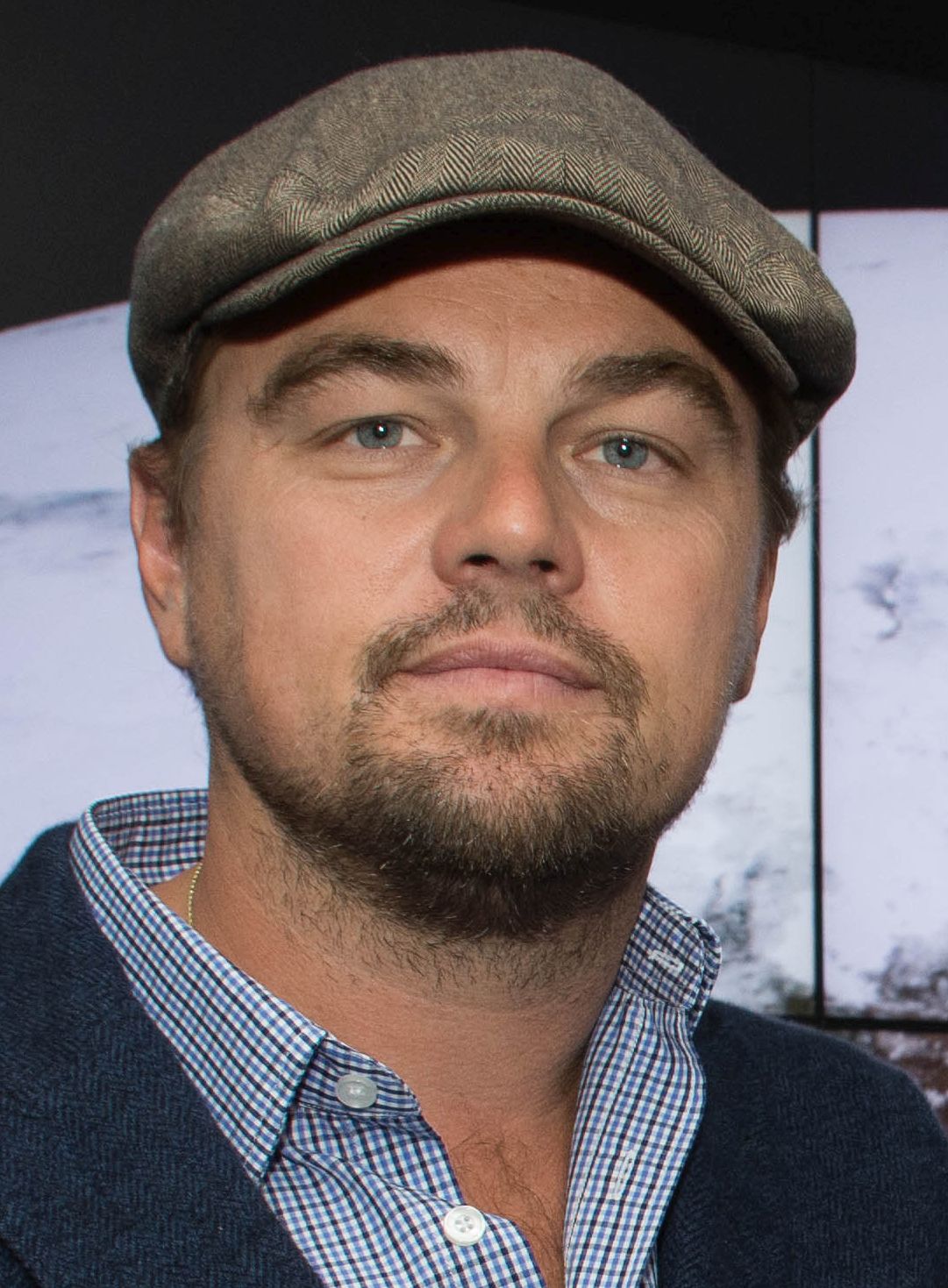
The Oscar-winning star admitted he feels compelled to walk through doorways numerous times and step on sidewalk stains left by used chewing gum. But DiCaprio has managed to keep his OCD tendencies under control, saying, “I’m able to say at some point, ‘OK, you’re being ridiculous. Stop stepping on every gum stain you see. You don’t need to do that.’”
Daniel Radcliffe-obsessive-compulsive disorder
The boy who made Harry Potter a household name at the age of ten has been struggling with OCD since he was five.
“Dan decided to seek help when his anxiety prevented him from turning off a light for five minutes.” Even at such a young age, Radcliffe knew something had to be done.

Williams died in his Tiburon, Calif. home in August. On Friday, the Marin County coroner said the official cause of death was suicide by hanging. Williams had no alcohol or drugs in his system and only normal levels of prescribed medications.
Williams suffered from chronic depression and was diagnosed with Parkinson’s disease in November 2013
Sia

Several weeks later, while on a stopover in Thailand, she received the news that Pontifex had died after being in a car accident in London.[161] She returned to Australia, but soon she received a call from one of Pontifex’s former housemates, who invited her to stay in London. Her 2001 album Healing Is Difficult lyrically deals with Pontifex’s death: “I was pretty fucked up after Dan died. I couldn’t really feel anything. I could intellectualize a lot of stuff; that I had a purpose, that I was loved, but I couldn’t actually feel anything.” Sia recalled the effect of his death in a 2007 interview for The Sunday Times: “We were all devastated, so we got shit-faced on drugs and Special Brew. Unfortunately, that bender lasted six years for me.”
Sia has suffered from depression, addictions to painkillers and alcohol, and had contemplated suicide, going as far as to write a suicide note.In 2010, Sia’s official website announced that all scheduled promotional events and shows had been canceled due to her poor health. She cited extreme lethargy and panic attacks and considered retiring permanently from performing and touring. According to her Twitter account, she was diagnosed with Graves’ disease – an autoimmune disorder characterized by an over-active thyroid. Later that year, in an ARIA Awards interview, Sia said her health was improving after rest and thyroid hormone replacement therapy.
Australian singer, Sia Furler, has been around for a long time but some may struggle to recognize her. She often refuses to be photographed for interviews and uses stand-ins like 12-year-old Maddie Ziegler to represent her in music videos.
She has, of course, written songs for herself (including the smash hit, “Chandelier”) but she’s found a real niche in penning tunes for others including Rihanna (“Diamonds”), David Guetta (“Titanium”) and Flo Rida (“Wild Ones”). Rather than trying to soak up every bit of notoriety, Sia seems content to remain in the shadows despite her immense success.
During her New York Times article, she explained: “It’s horrible. I just wanted to have a private life. Once, as my friend was telling me they had cancer, someone came up and asked, in the middle of the conversation, if they could take a photograph with me. You get me? That’s enough, right?” Indeed, the fan could not have known the situation but it’s easy to understand how someone would not want their private lives so trivialized.
 Our mission at the Resource & Wellness Center is to provide a safe haven for adults who experience mental health issues that by promoting ongoing recovery through peer support, advocacy, empowerment, and social skills development in a culturally competent manner.
 BlaticStreet Communtiy /Wellness Center